India’s Journey from 15th August 1947 to 15th August 2024
goboundry
August 14, 2024
5:01 pm
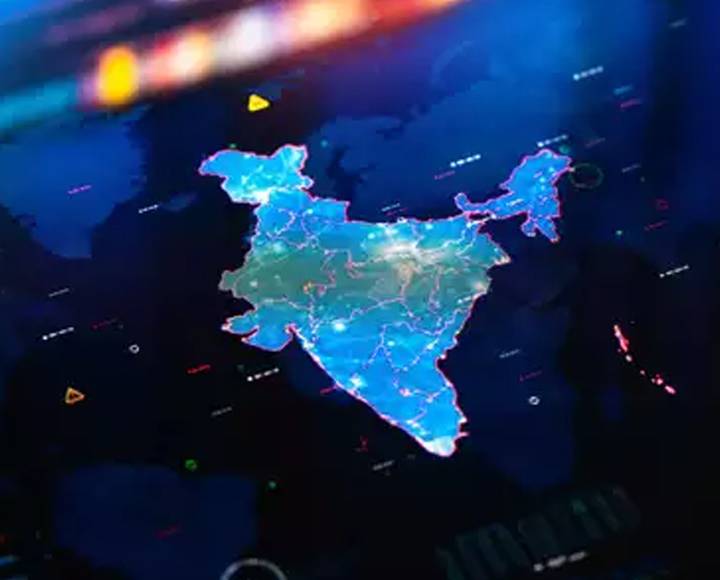
As India celebrates its 78th Independence Day on 15th August 2024, it’s a moment to reflect on the remarkable journey of this diverse and vibrant nation. From the midnight of 15th August 1947, when India broke free from the shackles of British colonial rule, to the present day, the nation has undergone profound transformations in every aspect—social, political, economic, and cultural. This blog takes a brief yet engaging look at India’s evolution over these 77 years.
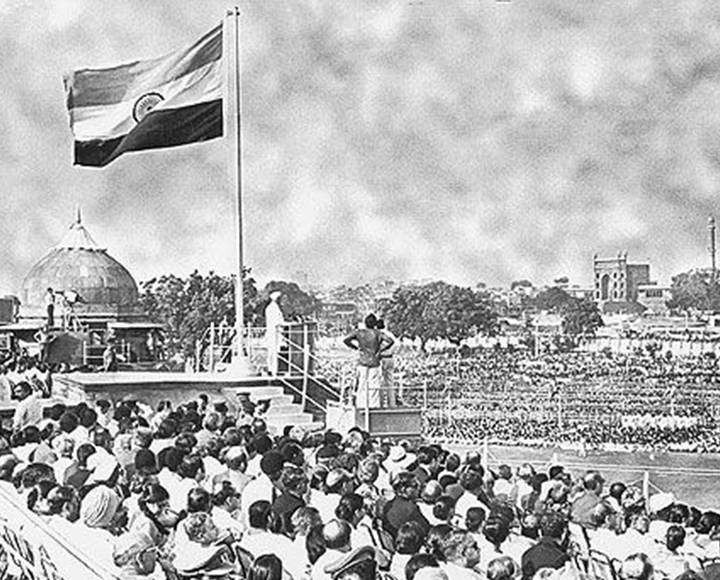
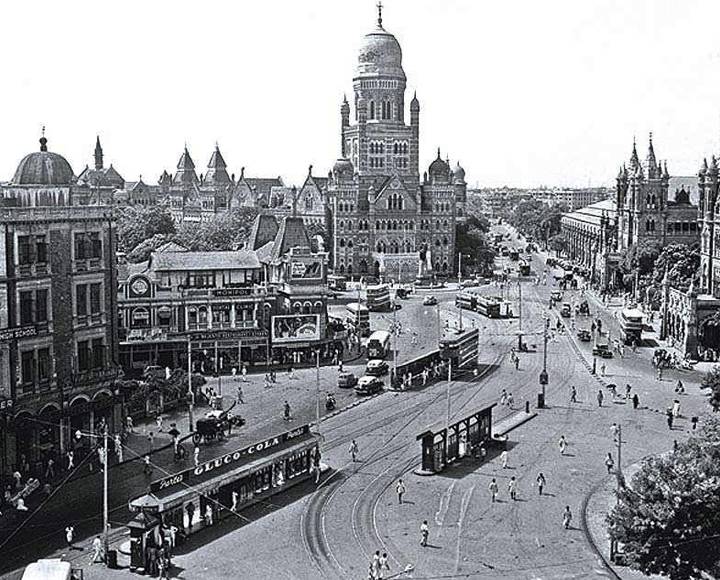
1947: The Dawn of Independence
On 15th August 1947, India emerged as a free nation, after almost 200 years of British rule. The euphoria of independence was, however, tempered by the horrors of Partition, which led to massive displacement, violence, and the birth of two nations—India and Pakistan. The newly formed government, under the leadership of Prime Minister Jawaharlal Nehru, faced the monumental task of rebuilding the nation from scratch.
1950: The Birth of the Republic
India took a significant step forward in 1950 with the adoption of the Constitution, making it a sovereign, socialist, secular, and democratic republic. The Constitution, one of the longest in the world, laid down the framework for governance and the protection of citizens’ rights. The first general elections in 1951-52, based on universal adult suffrage, were a landmark in the world’s largest democracy.
1960s-1970s: Trials and Tribulations
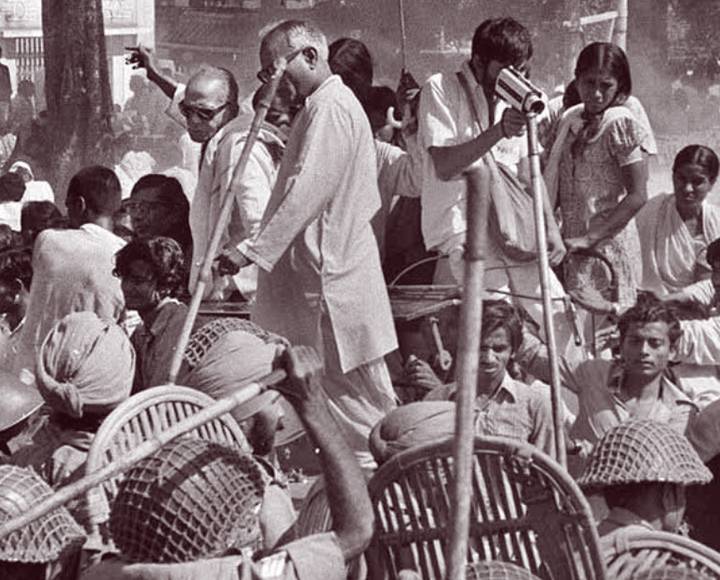
The 1960s and 1970s were decades of immense challenges and change. The Green Revolution in the late 1960s transformed India’s agriculture, leading to self-sufficiency in food grains. However, the country also faced wars with China (1962) and Pakistan (1965 and 1971), the latter resulting in the creation of Bangladesh. The Emergency of 1975-77 was a dark chapter in India’s democracy, with civil liberties curtailed and political opposition stifled.
1980s-1990s: Economic Liberalization and Global Integration
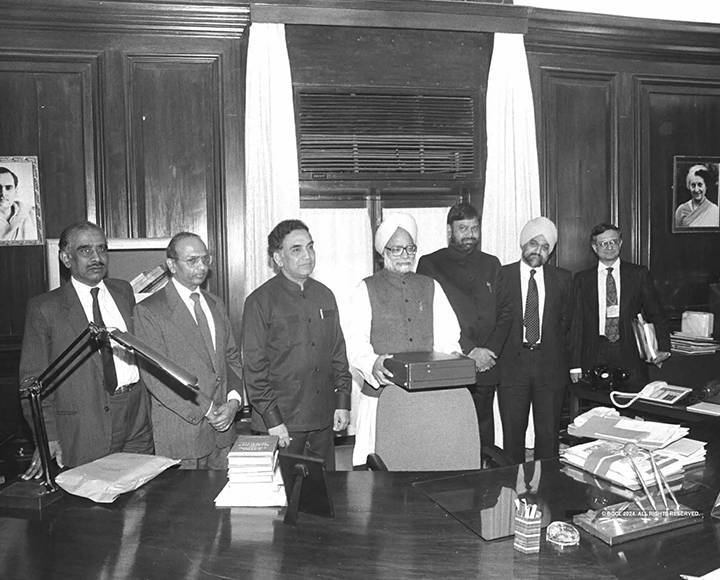
The 1980s witnessed political instability with the assassination of Prime Ministers Indira Gandhi in 1984 and Rajiv Gandhi in 1991. However, it was the economic crisis of 1991 that marked a turning point. Under Prime Minister P.V. Narasimha Rao and Finance Minister Dr. Manmohan Singh, India embraced economic liberalization, opening up its economy to the world. This era saw rapid industrial growth, the rise of the IT sector, and a burgeoning middle class.
2000s: Rising Global Influence
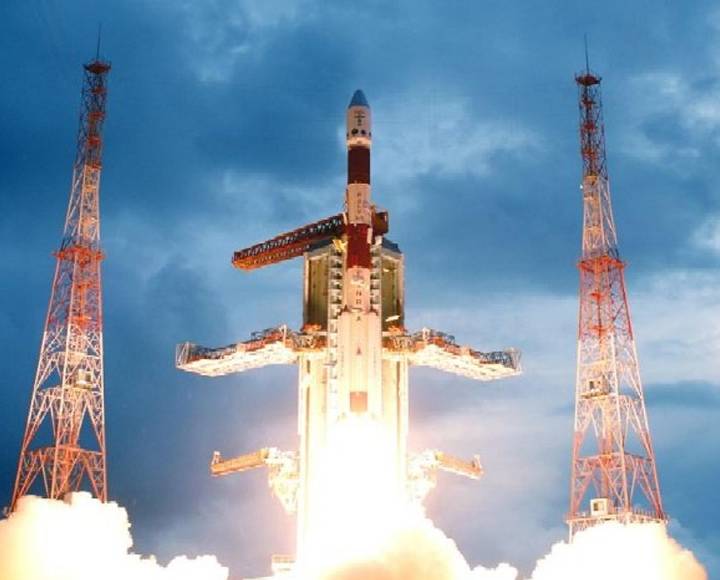
The new millennium heralded India’s emergence as a global power. The country achieved significant milestones in space exploration, including the successful launch of the Chandrayaan and Mangalyaan missions. India also became a key player on the global stage, forging strategic partnerships with major powers and playing a pivotal role in international organizations.
2010s: Digital Revolution and Social Change
The 2010s were defined by a digital revolution that transformed the way Indians live, work, and connect. Initiatives like Digital India, Aadhaar, and UPI revolutionized governance, banking, and commerce. Socially, the decade saw landmark judgments, including the decriminalization of homosexuality (Section 377) and the recognition of transgender rights, reflecting a more progressive and inclusive society.
2020s: Navigating Challenges and Building Resilience
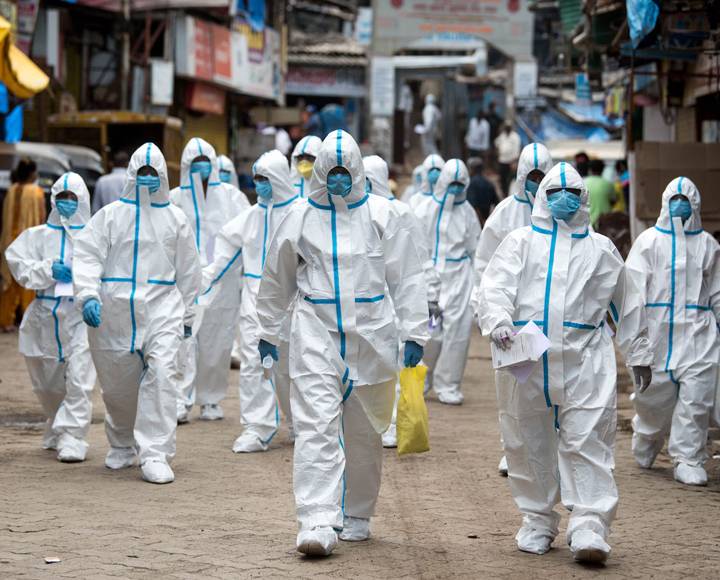
2020s began with unprecedented challenges, including the COVID-19 pandemic, which tested the nation’s resilience. Despite the hardships, India demonstrated remarkable adaptability, rolling out one of the largest vaccination drives in history. The decade also saw a renewed focus on self-reliance with the “Atmanirbhar Bharat” initiative, aiming to boost domestic production and reduce dependency on imports.
Conclusion: Looking Ahead
As India steps into its 78th year of independence, it stands at a crossroads, with immense opportunities and challenges ahead. The nation’s journey from 1947 to 2024 is a testament to its resilience, diversity, and unwavering spirit. With a young and dynamic population, India is poised to continue its rise on the global stage, while ensuring that the fruits of development reach every citizen.
On this Independence Day, let’s celebrate India’s achievements and recommit ourselves to building a nation that is just, equitable, and prosperous for all. Jai Hind!